

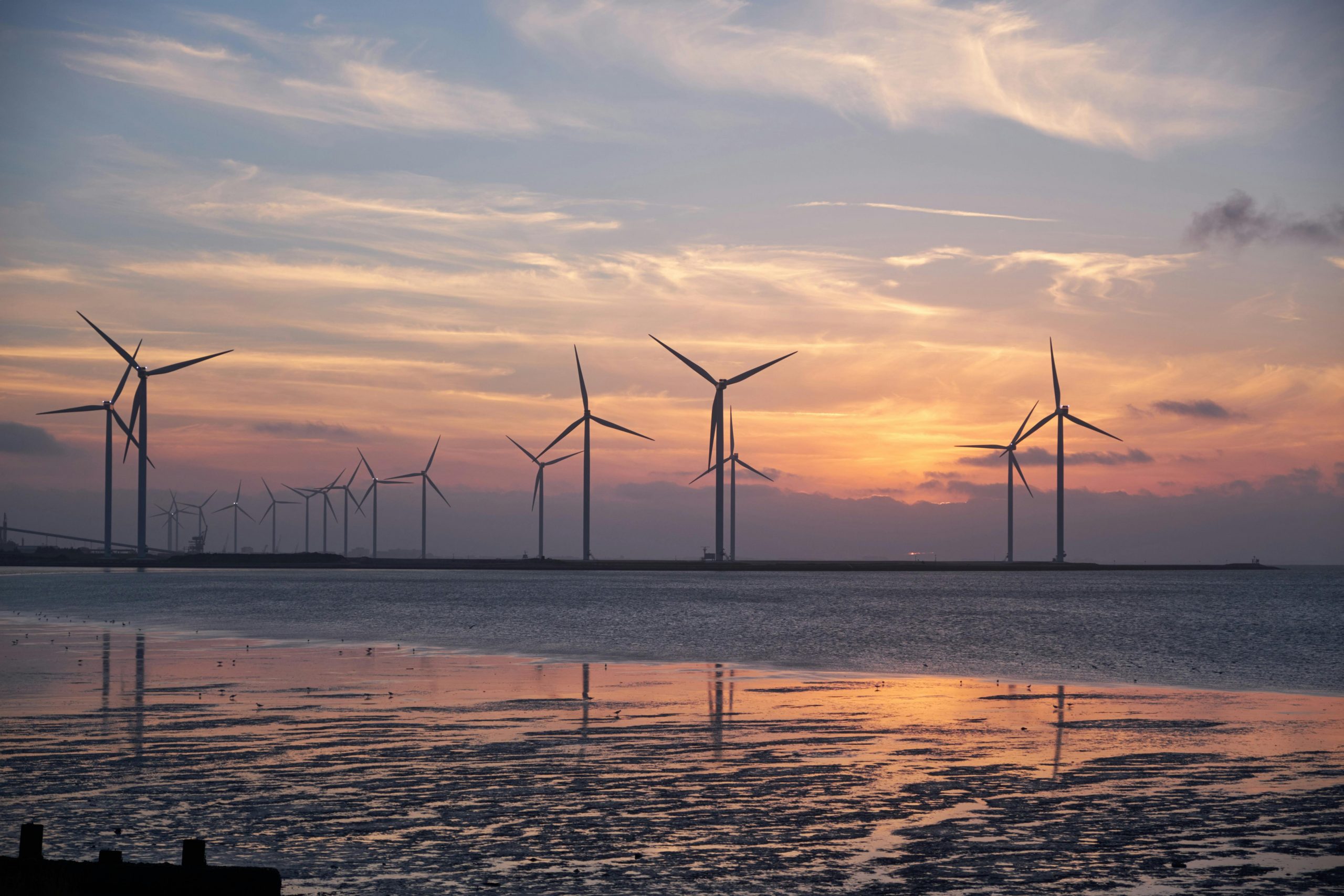
Wind energy, a major pillar of renewable energy, is expanding rapidly across Europe, and France is no exception to this energy revolution. To support the energy transition, numerous wind farms are being built, both offshore and onshore. However, to ensure their efficiency and longevity, regular inspection and maintenance of wind turbines are essential. This is where drones come in—innovative technologies that are transforming the traditional approach to wind turbine inspection.
1. Wind Power Generation in France and Europe
Wind power generation in France has reached record levels in recent years. In 2023, onshore wind power generation totaled 48.9 terawatt-hours (TWh), marking a significant increase from the previous record of 39.7 TWh in 2020. At the same time, offshore wind power is beginning to take hold , with 1.9 TWh generated in 2023, and several projects are in development to expand this capacity.
France, which has adopted ambitious renewable energy goals, continues to expand its wind power sector. In accordance with the targets set by the Energy Transition Act, France aims to generate 33 percent of its electricity from renewable sources by 2030, with wind power playing a major role.
Europe is positioning itself as a key player in the development of wind energy. In 2023, 18.3 gigawatts (GW) of new wind capacity were installed, including 14.5 GW foronshore (onshore) and 3.8 GW foroffshore (offshore).
However, to meet the climate goals set by the European Union for 2030, 29 GW of new capacity will need to be installed each year between 2024 and 2030. Europe stands out thanks to leading countries such as Germany, Spain, and Denmark, which are investing heavily in wind power. France, although lagging behind these countries, is taking steps to catch up, notably through the expansion of offshore wind farms.
2. The Challenges of Wind Turbine Inspection: Maintenance, a Crucial Issue
Wind turbine maintenance is essential to ensure their proper operation and longevity. Regular inspections help detect potential defects before they lead to costly breakdowns. These inspections were traditionally performed manually, with technicians climbing the turbines or using helicopters, but these methods are costly and risky.

3. The Indispensable Role of Drones in Wind Turbine Inspection
Drones, which are invaluable allies to wind energy professionals, have revolutionized the inspection of wind farms. Their use helps reduce costs, ensure greater safety, and optimize response times during maintenance operations.

Modern drones are capable of flying over a wind farm and conducting a complete inspection of a turbine in less than 30 minutes. In comparison, manual inspections—which involved climbing and working on operating wind turbines—took much longer and posed significant risks. Drones provide high-resolution images of each component of the wind turbine, thereby identifying defects that require attention.
For example, using drones makes it possible to inspect a wind farm with 15 turbines in a single day, resulting in substantial time savings and improved safety. In addition, drones can be equipped with thermal and infrared sensors, which can detect anomalies invisible to the naked eye, such as areas of overheating on the blades.
The use of drones also helps reduce the costs associated with traditional inspection methods. By replacing helicopters and on-site human interventions, drones lower personnel, logistics, and equipment costs. Studies have shown that using drones to inspect wind turbines reduces maintenance costs by making inspections faster and more efficient. Drones are about five times faster than traditional methods, which can lead to substantial savings while reducing the need for expensive equipment such as cranes.
The use of drones to inspect wind turbines helps minimize risks to technicians, who no longer need to climb the structures or be exposed to extreme weather conditions.
The use of drones in the wind energy sector is booming. More and more wind farm operators are choosing to incorporate drones into their inspection routines, and some are even taking this activity in-house to improve efficiency.
4. The Future Outlook: Drones and Innovation for High-Performance Wind Farms
The use of drones in wind farm inspections is still in its early stages. As technology advances, drones are expected to become increasingly autonomous, capable of conducting real-time inspections, and to incorporate more sensors to analyze increasingly detailed parameters.
In addition, the market for drones used in the wind energy sector continues to grow, with massive investments in research and innovation. Companies in the sector are working on drones that are more resistant to extreme weather conditions and on technologies that will fully automate the inspection process.
Source:
More than 18 GW of installed wind power capacity in Europe in 2023 – Renouvelle.
Using Drones to Inspect Wind Turbines – NEGRICA
Wind Energy in Europe – Touteleurope
Drones in Wind Farms – Environment News
Generation – RTE France
2030 Goal and France’s Current Status – Ministry of Energy Transition
Leave a comment